Minnesota Drug Crime Defense Attorney
Arrested for a drug charge? Get experienced, non-judgmental defense focused on second chances and real outcomes.

Charged With a Drug Crime in Minnesota?
Drug arrests are intimidating. You may feel like the system has already decided your fate the moment the handcuffs went on. At Davis Defense, we see the bigger picture how the arrest happened, what the police actually found, whether procedures were followed, and how a conviction would affect your life. Our goal is to put you back in control by giving you clear information, a realistic view of the case, and a strategy tailored to your situation.

Types of Drug Charges We Handle
Any illegal activity involving a controlled substance can lead to criminal charges in Minnesota. We defend clients in state and local courts on charges involving:
- Simple possession of controlled substances
- Possession with intent to sell or deliver
- Sale, distribution, or trafficking of drugs
- Manufacturing or cultivation offenses
- Conspiracy to commit a drug crime
- Drug paraphernalia charges
- Marijuana and THC-related offenses
- Cocaine, heroin, methamphetamine, and other street drugs
- Synthetic drugs such as K2, Spice, or bath salts
- Prescription medications, including painkillers like oxycodone or similar drugs
Possession vs. Sale: Why the Difference Matters
Possession and sale are different allegations, and the surrounding facts can change how a case is evaluated. Andrew looks at the quantity involved, where the drugs were found, who had access to the area, what statements were made, and what evidence the state claims shows an intent to sell. Those details can matter when deciding how to challenge the charge and what evidence needs to be preserved.
Drug Possession in Shared Cars, Apartments, and Other Spaces
When drugs are found in a shared car, apartment, or other common area, their location does not automatically answer who possessed them. Andrew looks at who owned or controlled the property, who had access to the specific area, what other people said, and what additional evidence connects the drugs to a particular person. Shared spaces can create important factual questions that deserve careful investigation.
How Andrew Builds a Drug Crime Defense
Drug cases are rarely as simple as the police report makes them sound. Andrew looks beyond the drugs themselves and examines the circumstances surrounding how the evidence was found. That includes where the drugs were located, who owned or controlled the area, whether other people had access, what statements were made, how police conducted the search, the quantity involved, and what evidence the state claims shows an intent to sell.
- Whether drugs were found in a shared car, apartment, bedroom, bag, or common area
- Who owned or controlled the property and who had access to the specific area
- Illegal stops, searches, or seizures
- Problems with warrants or lack of probable cause
- Statements made by people who were present
- Quantity and circumstantial evidence the state claims shows an intent to sell
- Unreliable witnesses or informants
- Problems with testing, handling, or chain of custody for the drugs

Consequences of a Drug Conviction
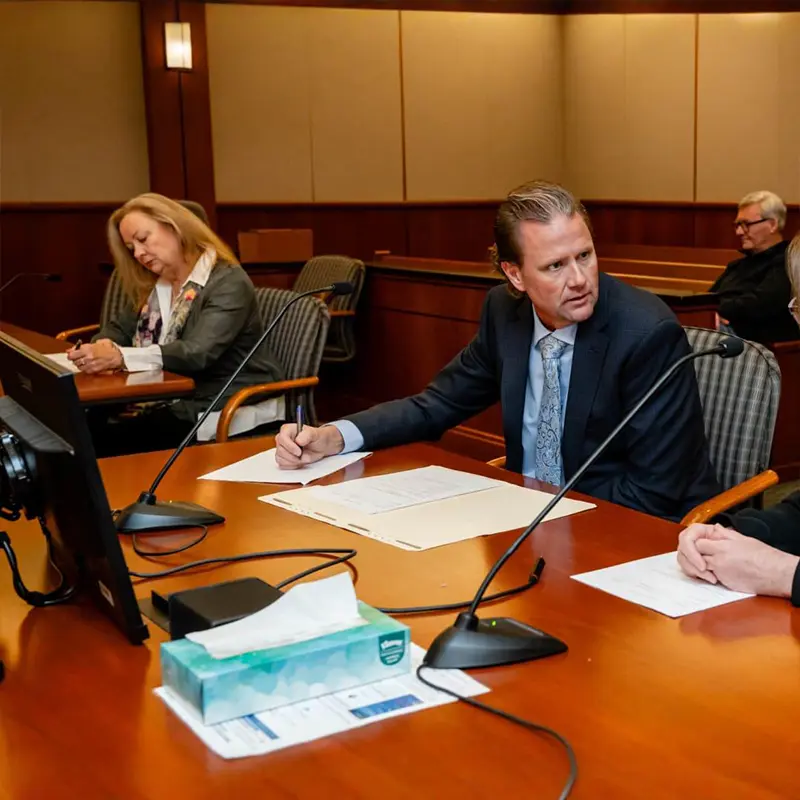
Minnesota has made some reforms for first-time offenders, but drug crimes still carry serious consequences. Depending on the level of the offense, you may be facing:
- Jail or prison time
- Significant fines and court costs
- Loss of eligibility for certain student loans or financial aid
- Forfeiture of cash, vehicles, or other property
- Long probation terms with strict conditions
- A criminal record that can limit employment and housing options
What to Do After a Drug Arrest
The steps you take right after an arrest can make a big difference in your case. Here’s what usually happens and how Andrew helps at each stage:
- Arrest and booking, followed by a bail or conditions-of-release decision
- Review of the complaint and police reports to understand the exact charges
- Preserve messages, voicemails, photos, and other details that may help explain who had access to the property and what happened
- Independent investigation into the stop, search, and seizure of evidence
- Challenging illegal searches, questionable evidence, or unreliable witnesses
- Negotiating for reduced charges, treatment-based resolutions, or, when necessary, preparing for trial
From Andrew Davis
Understand the charge
Published: June 26, 2026
Common questions
Minnesota Drug Crime FAQ
What types of drug charges does Davis Defense handle?
We handle the full range of Minnesota drug crimes, including possession, possession with intent to sell or deliver, sale and distribution, manufacturing, trafficking, conspiracy, paraphernalia charges, and prescription drug offenses involving painkillers or other controlled substances.
What are the possible penalties for a drug conviction?
Penalties depend on the degree of the offense, the type and amount of the drug, whether there was an alleged intent to sell, and your prior record. A low-level possession case may carry the possibility of diversion or probation, while higher-degree controlled substance crimes can involve years in prison, heavy fines, forfeiture of property, and a permanent felony record.
Can a drug conviction affect my job, housing, or education?
Yes. A drug conviction can make it harder to find employment, qualify for housing, or receive student financial aid. It may also affect professional licenses. That’s why it’s critical to work with a lawyer focused not just on the criminal case, but on protecting your long-term future.
What if the police searched my car or home can that be challenged?
Often. Many drug cases turn on whether the police had a lawful reason to stop your vehicle, enter your home, or search your belongings. If your rights were violated, Andrew may be able to challenge the search and move to suppress illegally obtained evidence.
Do I need a lawyer if I think I’m guilty?
Yes. Even if you believe you made a mistake, there may be legal defenses, weaknesses in the evidence, or alternative resolutions such as treatment-focused programs or reduced charges. An experienced drug crime lawyer can often improve the outcome significantly.
Can I be charged if drugs were found in a shared car or apartment?
You can be accused, but drugs being found in a shared space does not automatically establish who possessed them. Important facts may include where the drugs were located, who owned or controlled that area, who else had access, what statements were made, and what other evidence connects the drugs to a particular person.
What is the difference between drug possession and drug sale charges in Minnesota?
Possession and sale are different allegations. In a sale case, the state may rely on quantity, packaging, communications, money, statements, or other circumstantial evidence to argue that drugs were intended for sale. Andrew reviews the full context rather than looking only at the substance itself.
What should I save or document after being accused of a drug crime?
Preserve messages, voicemails, photos, call records, and other information that may help explain what happened or who had access to the property. Details that seem minor at first can become important when evaluating possession, the search, statements, or alleged intent.
Minnesota communities