Minnesota Probation Violation & Revocation Defense
Probation is better than jail but it’s not freedom. If you’re accused of a violation, don’t go to court alone.

Accused of Violating the Terms of Your Probation?
Probation is often a lifeline it keeps you in the community, working and living with your family instead of serving your whole sentence behind bars. But probation is not the same as freedom. It comes with conditions that can be strict and easy to misunderstand. When the court or probation officer believes you’ve violated those conditions, you may find yourself back in court for a probation revocation hearing with a lot on the line. Davis Defense helps you understand the accusations, your rights, and what can be done to protect your future.
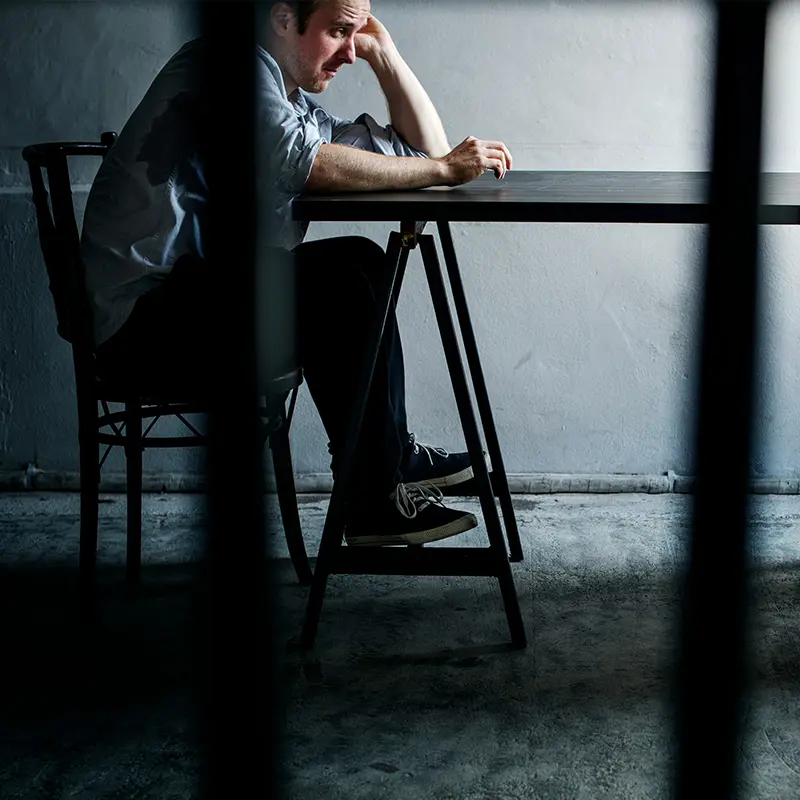
Common Probation Violations
Probation terms are tailored to each case, but some alleged violations show up again and again. You may face a violation for:
- Being arrested for or charged with a new crime.
- Failing or missing a drug or alcohol test.
- Skipping a scheduled meeting with your probation officer.
- Failing to appear for court dates.
- Not completing treatment, counseling, or community service as ordered.
- Falling behind on fines, fees, or restitution without addressing it with the court.
- Contacting a person or visiting a place that your probation conditions prohibit.
What Happens if You Violate Probation?
When a probation officer believes a violation has occurred, they may file a report and request a hearing. You might receive a notice in the mail with a court date, or you could be arrested and brought directly to court. At the probation violation hearing, the judge can:
- Find no violation and continue your existing probation
- Find a violation but give you another chance with the same or modified conditions
- Order you to serve some or all of the jail or prison time that was previously stayed
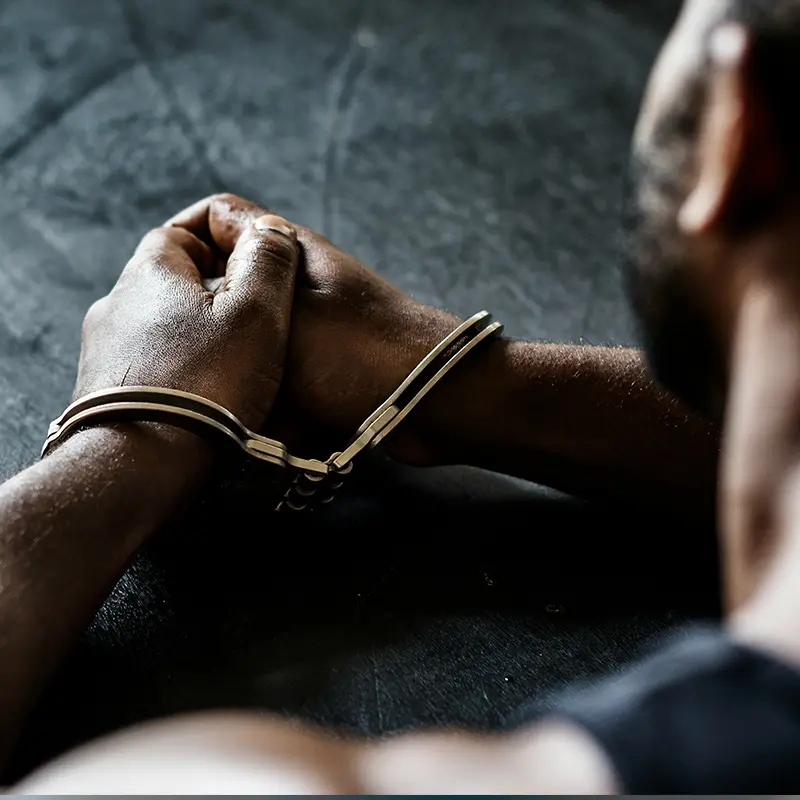
What Must Be Proven at a Minnesota Probation Revocation Hearing?
At a contested revocation hearing, a probation violation must be proved by clear and convincing evidence. The probationer has rights that include disclosure of the evidence supporting revocation, representation by counsel, presenting evidence, subpoenaing and questioning witnesses, and presenting mitigating reasons why a proven violation should not result in revocation.
Revocation Is Supposed to Be a Last Resort
Minnesota law states that probation revocation should be used only as a last resort when rehabilitation has failed. That makes the response to an alleged violation important. Treatment enrollment, sobriety efforts, employment, transportation problems, medical issues, housing stability, compliance since the incident, and a realistic plan for future supervision can all matter when the court decides whether continued probation is appropriate.
Technical Violations May Be Handled Differently
Some technical probation violations may be addressed through a probation-agency sanctions conference rather than immediate judicial revocation, unless the court directs otherwise or the circumstances require a court proceeding. A person offered that process should understand what is being alleged, what sanctions are proposed, and the option to proceed to a judicial hearing before agreeing to a resolution.
How Andrew Defends Probation Violation Cases
The best strategy in a probation case often starts before you ever step in front of the judge. Andrew works to:
- Review the original sentence and all probation conditions
- Analyze the probation officer’s report and any alleged violations
- Identify whether the violation can be contested on the facts or law
- Present context and mitigation such as health issues, transportation problems, or steps you’ve already taken to get back on track
- Negotiate with probation and the prosecutor for alternatives to jail, like treatment, community-based sanctions, or a structured plan to finish your conditions
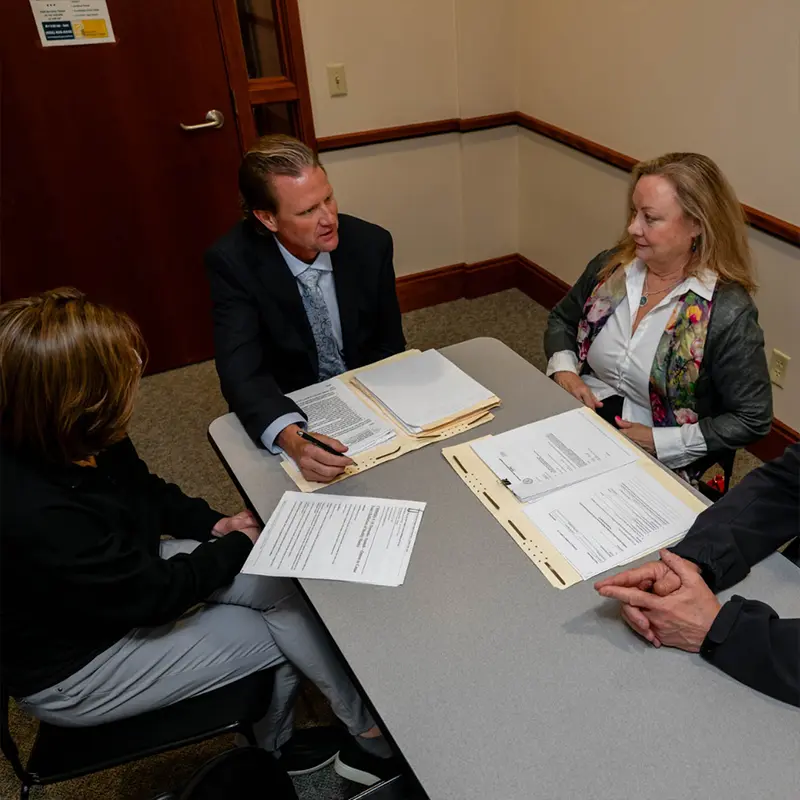
What to Do If You Think You Violated Probation
If you know or suspect that you have violated probation, time matters. Here’s what you should do:
- Do not ignore letters, calls, or notices from probation or the court. A missed court date can make things worse.
- Contact a probation violation defense lawyer immediately so you understand your exposure and options.
- Gather documents that show your efforts to comply pay stubs, treatment records, proof of job search, medical documentation, or anything else that helps explain your situation.
- Work with your attorney to prepare a clear, honest explanation and a realistic plan for moving forward that the judge can consider instead of revoking probation.
- Appear at all hearings with your lawyer and follow any interim conditions the court sets while your case is pending.
Common questions
Minnesota Probation Violation FAQ
What is a probation violation?
A probation violation happens when you do not follow the conditions the court ordered as part of your sentence. That might include new criminal charges, missed appointments with your probation officer, failed drug or alcohol tests, not completing treatment, or not paying fines or restitution, depending on your specific terms.
What can happen at a probation violation or revocation hearing?
At a violation hearing, the judge reviews the probation officer’s report and any evidence about the alleged violation. The judge can dismiss the violation, give you another chance with modified conditions, or revoke probation and impose some or all of the jail or prison time that was previously stayed. Because judges have wide discretion, having a defense lawyer is critical.
What is the burden of proof for a probation violation?
At a contested Minnesota probation revocation hearing, the alleged violation must be proved by clear and convincing evidence. The probationer also has the right to counsel, disclosure of the evidence, to present evidence and witnesses, and to offer mitigation or reasons why probation should not be revoked.
Can one violation send me to jail?
Yes, it can. Sometimes judges give people another chance, especially on a first or minor violation. In other cases such as repeated violations, new offenses, or serious non-compliance the judge may revoke probation and order you to serve some or all of the suspended sentence. The outcome often depends on how the violation is explained and what plan is presented to the court.
Do I really need a lawyer for a probation violation?
Absolutely. A violation hearing is a criminal proceeding where your liberty is at stake. An experienced probation violation lawyer can negotiate with the probation officer and prosecutor, present mitigating information to the judge, and argue for alternatives to jail such as treatment, community-based sanctions, or continued probation.
Does every probation violation result in revocation?
No. Minnesota law says revocation should be used only as a last resort when rehabilitation has failed. A court can find a violation and still continue probation, modify conditions, or impose another response depending on the violation, history, public-safety concerns, and mitigation.
What is a technical probation violation?
A technical violation generally involves failure to comply with a supervision condition rather than a new criminal offense. Minnesota law allows probation agencies to use a sanctions-conference process for some technical violations unless the court directs otherwise. The correct process depends on the case and supervising agency.
Minnesota communities