Minnesota Implied Consent & Breath Test Refusal Defense
Refusing the test doesn’t end the case it often creates a new one. Get help before you make another move.

Can I Be Punished for Refusing the Breath Test?
In Minnesota, the answer is often yes. Under the implied consent law, if you are lawfully arrested on suspicion of DWI and refuse a requested breath test, you can be charged with a separate crime test refusal on top of any impaired driving charge. Many people believe that refusing to blow will protect them from a DWI conviction. In reality, refusal frequently leads to harsher penalties, both in criminal court and with the Department of Public Safety. Davis Defense helps you understand exactly what you are facing and how best to respond.
How Minnesota’s Implied Consent Law Works
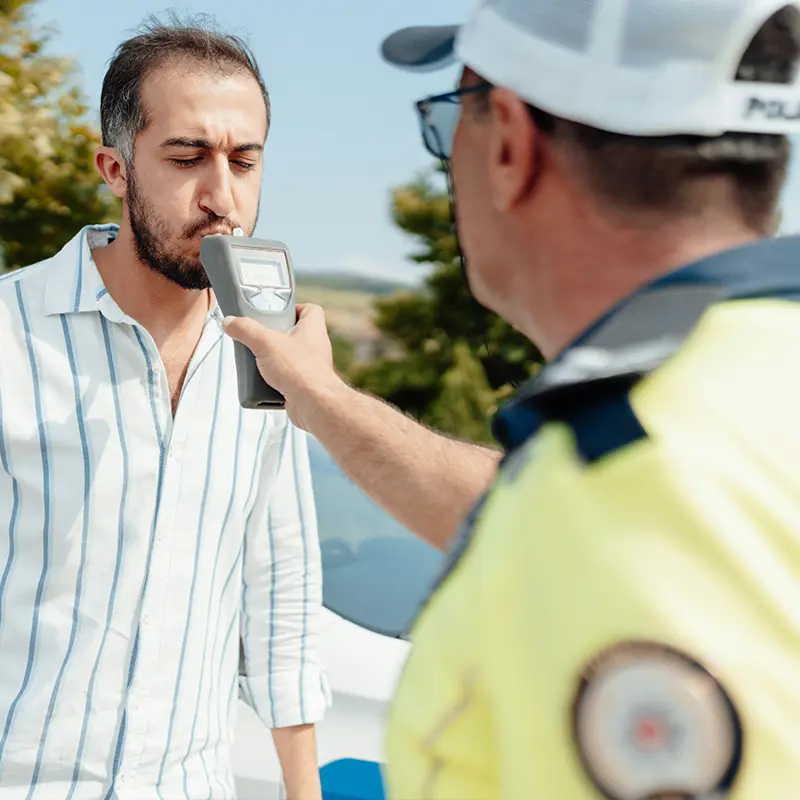
Minnesota law provides for chemical testing when an officer has probable cause to believe a person was driving, operating, or in physical control of a vehicle while impaired and the statutory conditions are met. For an evidentiary breath test, the driver is advised that the test is required, that refusal is a crime, and that there is a limited right to consult an attorney before deciding, so long as the consultation does not unreasonably delay testing. Blood and urine tests are governed by different warrant rules.
Do I Have the Right to Call a Lawyer Before a Breath Test?
Minnesota's breath-test advisory provides a limited right to consult with an attorney before testing, as long as the consultation does not unreasonably delay administration of the test. Whether a driver was given a meaningful opportunity to exercise that right can be an important issue in reviewing an implied-consent and test-refusal case.
Consequences of a Breath Test Refusal
A breath-test refusal can create consequences separate from the underlying DWI allegation. Depending on the person's history and case, issues can include:
- A separate criminal test-refusal charge, commonly a gross misdemeanor when no higher enhancement applies.
- A gross misdemeanor maximum of up to 364 days in jail and a fine of up to $3,000.
- Driver's-license revocation through the separate implied-consent process.
- Ignition-interlock or limited-driving issues depending on eligibility and driving history.
- Two related proceedings that may require coordinated criminal and license-defense strategy.
Breath Tests Are Different From Blood and Urine Tests
The criminal refusal rules are not identical for every type of chemical test. Minnesota specifically criminalizes refusal of a breath test when the statutory requirements are met. Blood and urine testing generally requires a search warrant or a recognized exception to the warrant requirement. That distinction matters when reviewing what the officer requested, what advisory was given, whether a warrant existed, and whether the alleged refusal can legally support a separate charge.
The License-Revocation Deadline Can Arrive Before the Criminal Case Is Over
The implied-consent license case is separate from the criminal prosecution. A person who receives a notice and order of revocation or disqualification generally has 60 days from receipt to petition the district court for judicial review. Missing that deadline can limit the ability to challenge the revocation even while the criminal DWI or refusal case is still pending.
Challenging Implied Consent and Test Refusal Cases
A refusal charge is not a foregone conclusion. Andrew looks closely at:
- Whether the officer had a lawful basis to stop your vehicle
- Whether there was probable cause for a DWI arrest
- Whether the implied consent advisory was correctly read and explained
- Whether you actually refused, or whether there were equipment or communication issues
- Whether any blood or urine tests were properly requested, including warrants where required
What to Do After a Test Refusal in Minnesota
If you refused a test or are accused of refusing, your next steps are critical. Here’s how the process usually unfolds and how Davis Defense can help:
- Arrest and Advisory – You are arrested on suspicion of DWI and read the implied consent advisory explaining your testing options and potential consequences.
- Refusal or Test Result – You either refuse the test or provide a sample that may later be used against you in court.
- License Action – The state may move quickly to revoke your driver’s license based on the alleged refusal or test result, often with strict deadlines to challenge the revocation.
- Criminal Charges – You may be charged with DWI, test refusal, or both. Andrew reviews the reports, videos, and advisory to identify legal issues and defense strategies.
- Defense Strategy – We decide how to challenge the criminal case and the implied consent case, whether through motions, negotiations, or preparing for trial, with the goal of reducing or avoiding the long-term impact on your record and your ability to drive.
Common questions
Minnesota Implied Consent & Test Refusal FAQ
What does “implied consent” mean in Minnesota?
Minnesota's implied-consent law authorizes chemical testing in specified DWI circumstances. The rules differ by test type. A lawfully requested evidentiary breath test can carry a criminal refusal consequence, while blood and urine testing generally involves warrant requirements or a recognized exception.
Can I be charged with both DWI and test refusal?
Yes. A person may face an underlying DWI charge and a separate criminal charge for refusing a lawfully requested breath test when the statutory elements are met. The refusal offense is found in Minnesota's DWI statute, while the implied-consent provisions also govern the separate license process.
What are the penalties for refusing a breath test?
A criminal breath-test refusal is commonly a gross misdemeanor when no higher enhancement applies, with a maximum of up to 364 days in jail and a $3,000 fine. It can also trigger separate driver's-license consequences. Prior impaired-driving history and other facts can change the exposure.
Are blood and urine test refusals treated the same as breath test refusals?
No. Minnesota's criminal test-refusal rule specifically addresses breath-test refusal under the statutory requirements. Blood and urine tests generally require a search warrant or a recognized exception, so the legality of the request and any claimed refusal must be analyzed differently.
Does a test refusal automatically mean I lose my license?
A refusal almost always triggers separate driver’s license consequences under the civil implied consent process, which can include longer revocation periods than a simple DWI. However, you may have the right to challenge the revocation in court. Andrew can help you understand deadlines and options for fighting the license side of your case.
How long do I have to challenge an implied-consent license revocation?
A person generally has 60 days after receiving the notice and order of revocation or disqualification to petition for judicial review in district court. Because the license case can move separately from the criminal case, it is important to identify the deadline immediately.
Minnesota communities