Minneapolis Implied Consent and Test Refusal Lawyer
Implied Consent / Test Refusal Defense for clients in Minneapolis and Hennepin County.

Local criminal defense
Implied Consent / Test Refusal Defense in Minneapolis, Minnesota
If you were arrested in Minneapolis, early action matters—charging decisions and release conditions can move fast. Getting counsel involved early can help protect your record, your job, and your future.
A test-refusal allegation can create a criminal case and a separate driver’s-license case. Minnesota law covers refusal of an evidentiary breath test under the applicable statutes and refusal of blood or urine testing required by a search warrant. The test requested, warrant, advisory, and statutory conditions matter. Andrew Davis reviews those details and the deadlines for challenging license action.
Read the complete Minnesota Implied Consent / Test Refusal guide →Minnesota law and defense
Understanding Implied Consent / Test Refusal in Minneapolis
Minnesota criminal law applies statewide, but the court process, local agency records, and practical details of a case depend on where it is filed. The information below explains important issues Andrew reviews when defending implied consent / test refusal cases.
Can Refusing a Chemical Test Lead to a Separate Charge?
Yes. Minnesota law can make refusal of an evidentiary breath test, or blood or urine testing required by a search warrant, a separate crime when the statutory requirements are satisfied. Refusal may also trigger a separate license action. Andrew reviews what was requested, the legal authority for testing, the advisory, and the evidence of refusal before explaining the defense options.
How Minnesota’s Implied Consent Law Works
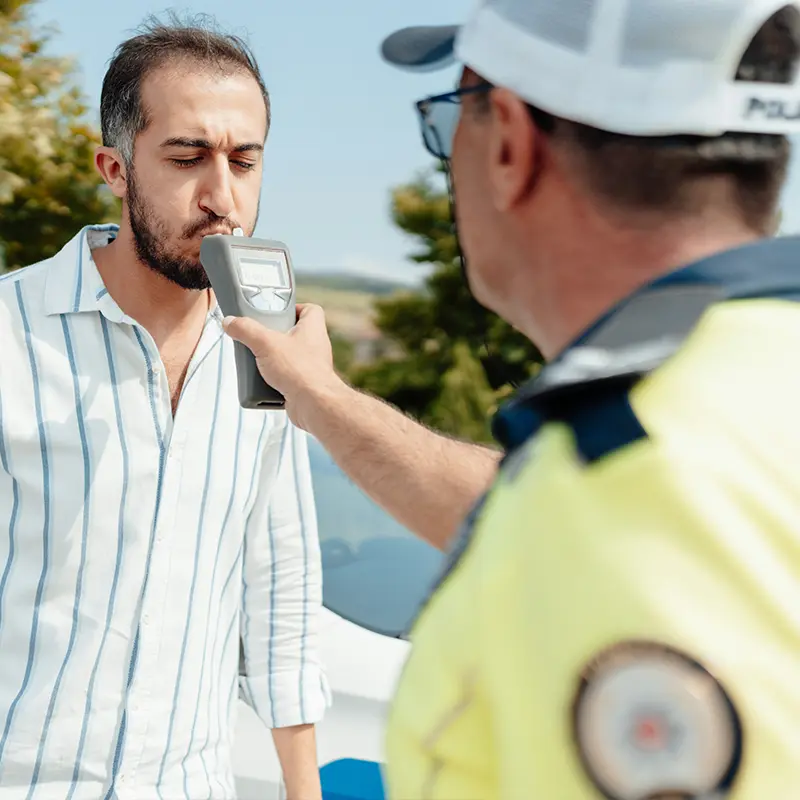
Minnesota law provides for chemical testing when an officer has probable cause to believe a person was driving, operating, or in physical control of a vehicle while impaired and the statutory conditions are met. For an evidentiary breath test, the driver is advised that the test is required, that refusal is a crime, and that there is a limited right to consult an attorney before deciding, so long as the consultation does not unreasonably delay testing. Blood and urine tests are governed by different warrant rules. Refusing blood or urine testing required by a search warrant can also support a criminal charge when the statutory conditions are met.
Do I Have the Right to Call a Lawyer Before a Breath Test?
Minnesota's breath-test advisory provides a limited right to consult with an attorney before testing, as long as the consultation does not unreasonably delay administration of the test. Whether a driver was given a meaningful opportunity to exercise that right can be an important issue in reviewing an implied-consent and test-refusal case.
Common questions
Minneapolis Implied Consent / Test Refusal FAQ
What does “implied consent” mean in Minnesota?
Minnesota’s implied-consent law governs chemical testing in specified DWI circumstances. Breath testing and warrant-based blood or urine testing follow different procedures. Refusing an evidentiary breath test, or blood or urine testing required by a search warrant, can be a crime when the statutory requirements are met.
Can I be charged with both DWI and test refusal?
Yes. A person may face both a DWI allegation and a separate test-refusal charge. Minnesota Statutes section 169A.20 covers qualifying breath-test refusals and refusals of blood or urine testing required by a search warrant. Andrew reviews the legal basis for each charge.
What are the penalties for refusing a breath test?
A criminal breath-test refusal is commonly a gross misdemeanor when no higher enhancement applies, with a maximum of up to 364 days in jail and a $3,000 fine. It can also trigger separate driver's-license consequences. Prior impaired-driving history and other facts can change the exposure.
Are blood and urine test refusals treated the same as breath test refusals?
The procedures differ, but criminal refusal is not limited to breath tests. Minnesota law also criminalizes refusal of blood or urine testing required by a search warrant when the statutory conditions are met. The warrant, advisory, test offered, and any requirement to offer an alternative test must be reviewed.
How long do I have to challenge an implied-consent license revocation?
A person generally has 60 days after receiving the notice and order of revocation or disqualification to petition for judicial review in district court. Because the license case can move separately from the criminal case, it is important to identify the deadline immediately.
Free and confidential
Talk to a Minneapolis Implied Consent and Test Refusal Lawyer
If you need help with implied consent / test refusal in Minneapolisor Hennepin County, contact Andrew Davis to discuss what happened and what comes next.