Court information
Hennepin County District Court – Criminal and Traffic Division
300 South 6th Street, C-11, Minneapolis, MN 55487
(612) 348-6000
Visit the official court website →Defense for implied consent / test refusal matters in Plymouth and Hennepin County.

Local criminal defense
Plymouth cases often involve busy professionals and families looking to resolve matters efficiently and protect their records. Early legal guidance can help reduce disruption and avoid long-term consequences.
Minnesota's implied-consent law creates two different problems after many DWI arrests: a criminal case and a separate driver's-license process. Refusing a lawfully requested evidentiary breath test can itself be a crime. Blood and urine testing are treated differently and generally involve a search warrant or a recognized exception. Andrew Davis reviews the stop, probable cause, advisory, right-to-counsel opportunity, testing request, alleged refusal, and the deadline to challenge a license revocation.
Read the complete Minnesota Implied Consent / Test Refusal guide →Verified local information
Plymouth is located in Hennepin County and served by the Minnesota Fourth Judicial District. Confirm the location listed on your court notice before appearing, because Hennepin County criminal matters may be assigned to different court facilities.
Court information
300 South 6th Street, C-11, Minneapolis, MN 55487
(612) 348-6000
Visit the official court website →Local agency
3400 Plymouth Boulevard, Plymouth, MN 55447
(763) 509-5160
Visit the official agency website →Official court information for Hennepin County, including court programs, policies, and contacts.
Official information and resources from the prosecutor’s office serving Hennepin County.
Official City of Plymouth information about requesting police reports and records.
Minnesota law and defense
Minnesota criminal law applies statewide, but the court process, local agency records, and practical details of a case depend on where it is filed. The information below explains important issues Andrew reviews when defending implied consent / test refusal cases.
In Minnesota, the answer is often yes. Under the implied consent law, if you are lawfully arrested on suspicion of DWI and refuse a requested breath test, you can be charged with a separate crime test refusal on top of any impaired driving charge. Many people believe that refusing to blow will protect them from a DWI conviction. In reality, refusal frequently leads to harsher penalties, both in criminal court and with the Department of Public Safety. Davis Defense helps you understand exactly what you are facing and how best to respond.
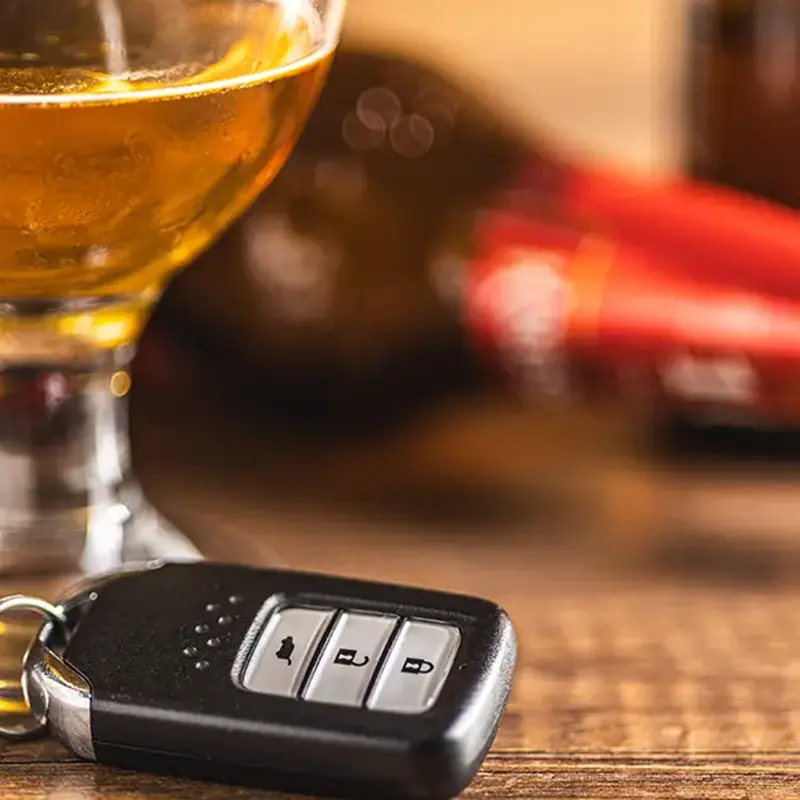
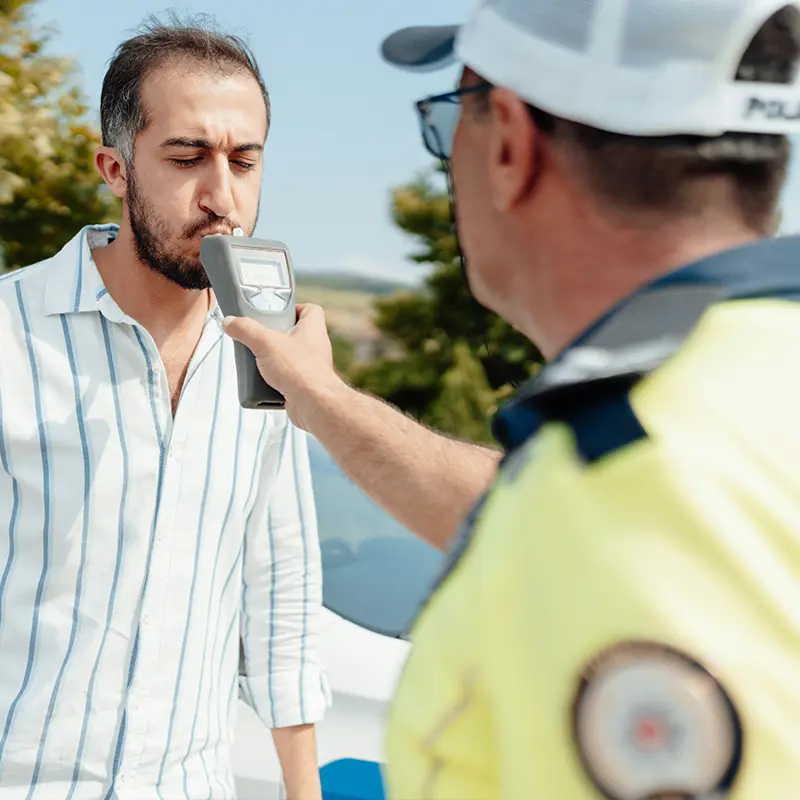
Minnesota law provides for chemical testing when an officer has probable cause to believe a person was driving, operating, or in physical control of a vehicle while impaired and the statutory conditions are met. For an evidentiary breath test, the driver is advised that the test is required, that refusal is a crime, and that there is a limited right to consult an attorney before deciding, so long as the consultation does not unreasonably delay testing. Blood and urine tests are governed by different warrant rules.
Minnesota's breath-test advisory provides a limited right to consult with an attorney before testing, as long as the consultation does not unreasonably delay administration of the test. Whether a driver was given a meaningful opportunity to exercise that right can be an important issue in reviewing an implied-consent and test-refusal case.
Common questions
Minnesota's implied-consent law authorizes chemical testing in specified DWI circumstances. The rules differ by test type. A lawfully requested evidentiary breath test can carry a criminal refusal consequence, while blood and urine testing generally involves warrant requirements or a recognized exception.
Yes. A person may face an underlying DWI charge and a separate criminal charge for refusing a lawfully requested breath test when the statutory elements are met. The refusal offense is found in Minnesota's DWI statute, while the implied-consent provisions also govern the separate license process.
A criminal breath-test refusal is commonly a gross misdemeanor when no higher enhancement applies, with a maximum of up to 364 days in jail and a $3,000 fine. It can also trigger separate driver's-license consequences. Prior impaired-driving history and other facts can change the exposure.
No. Minnesota's criminal test-refusal rule specifically addresses breath-test refusal under the statutory requirements. Blood and urine tests generally require a search warrant or a recognized exception, so the legality of the request and any claimed refusal must be analyzed differently.
A refusal almost always triggers separate driver’s license consequences under the civil implied consent process, which can include longer revocation periods than a simple DWI. However, you may have the right to challenge the revocation in court. Andrew can help you understand deadlines and options for fighting the license side of your case.
Free and confidential
If you need help with implied consent / test refusal in Plymouthor Hennepin County, contact Andrew Davis to discuss what happened and what comes next.